ModulusIQ — next-generation software for commercial construction trades

Plans and specs are data.
Your software should understand them.

ModulusIQ builds AI-assisted, human-reviewed software for commercial construction teams — starting with doors, frames, hardware, and architectural millwork. Turn messy project documents into structured openings, assemblies, pricing, scope, and records your team can actually use.

Commercial construction runs on documents. Modulus turns them into systems.

Every ModulusIQ product is built around the same idea: the bid, submittal, schedule, and change history should all come from structured project data.

01

The scope is already in the documents.

Plans, specs, door schedules, hardware sets, elevations, finish notes, addenda, and emails already contain the information your team needs to estimate and manage the job.

ModulusIQ products extract, organize, and model that information so estimators and project managers are not rebuilding the same job by hand.

02

Built around trade objects.

Generic software sees rows, forms, and attachments. Commercial construction needs openings, hardware sets, frame profiles, cabinet assemblies, countertops, panels, parts, labor, and alternates.

ModulusIQ starts with the real objects tradespeople manage, then connects the documents, rules, pricing, approvals, and changes around them.

03

AI assists. Humans approve.

Construction is too expensive for black-box automation. A missed rating, wrong handing, bad hardware set, or buried addendum can cost real money.

ModulusIQ uses AI to structure the work faster, while keeping review, approval, version control, and traceability at the center of the system.

Software for the finished trades. Built from the work itself.

ModulusIQ is focused on the trades where documents, assemblies, options, pricing, and scope coordination are too complex for spreadsheets and too important to leave buried in PDFs.

Live · public beta
ModulusChat DFH

Meet Jen. The DFH expert on demand.

An AI expert for door, frame, and hardware professionals — grounded in real catalogs, codes, standards, and cut sheets, not generic internet answers.

Ask the questions you used to save for your senior detailer.

In development — Coming 2026
ModulusDFH

Plans and specs in. Priced openings out.

A vertical platform for commercial door, frame, and hardware distributors — built to turn job documents into configured openings, hardware sets, pricing, and bid-ready BOMs.

Built around the opening, not the spreadsheet.

In development
ModulusMillwork

Draw the scope. Build the bid.

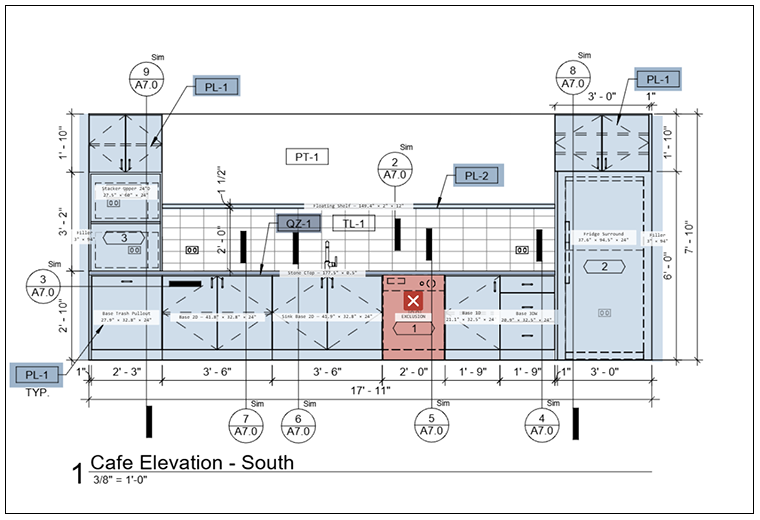
A vertical platform for commercial millwork shops — built to turn on-screen takeoff into configured assemblies, parts, labor, pricing, and bid-ready scope.

From markup to structured bid, without entering it twice.

Private alpha
ModulusOS

CRM, jobs, admin, books — one system.

A configurable operations platform for real-world businesses — built to replace spreadsheets, duct-taped apps, and disconnected tools with one system shaped around how the company actually runs.

Built around your business, not a software template.

Why ModulusIQ exists

Built by someone who has estimated, managed, built, and shipped the work.

Aaron Hubner, founder of ModulusIQ

Aaron Hubner spent 13 years running Wabash Lumber — a reclaimed lumber operation, custom build shop, and DTC product brand that shipped to customers including Toyota and Whole Foods. He later worked inside commercial construction as an estimator and project manager across millwork, doors, frames, and hardware. The same problem kept showing up: skilled people were spending too much time translating plans, specs, schedules, emails, and product data into software that did not understand the work.

ModulusIQ exists because commercial construction deserves software that thinks in the shape of the work.

The loop, in four steps.

ModulusIQ products turn construction documents into structured trade data, route the uncertain parts for review, and keep the job record tied to the documents that authorized it.

01

Documents come in.

Plans, specs, schedules, addenda, cut sheets, emails, and notes — the source material commercial construction already runs on.

02

Modulus structures the scope.

AI-assisted extraction turns raw project information into openings, hardware sets, assemblies, products, labor, pricing inputs, and bid scope.

03

Experts review the risk.

Ambiguities, conflicts, exceptions, code issues, and high-impact decisions are surfaced for human review before they become the official record.

04

The job record updates.

Approved work becomes structured, searchable, versioned data tied back to the plan, spec, schedule, email, or addendum that caused the change.